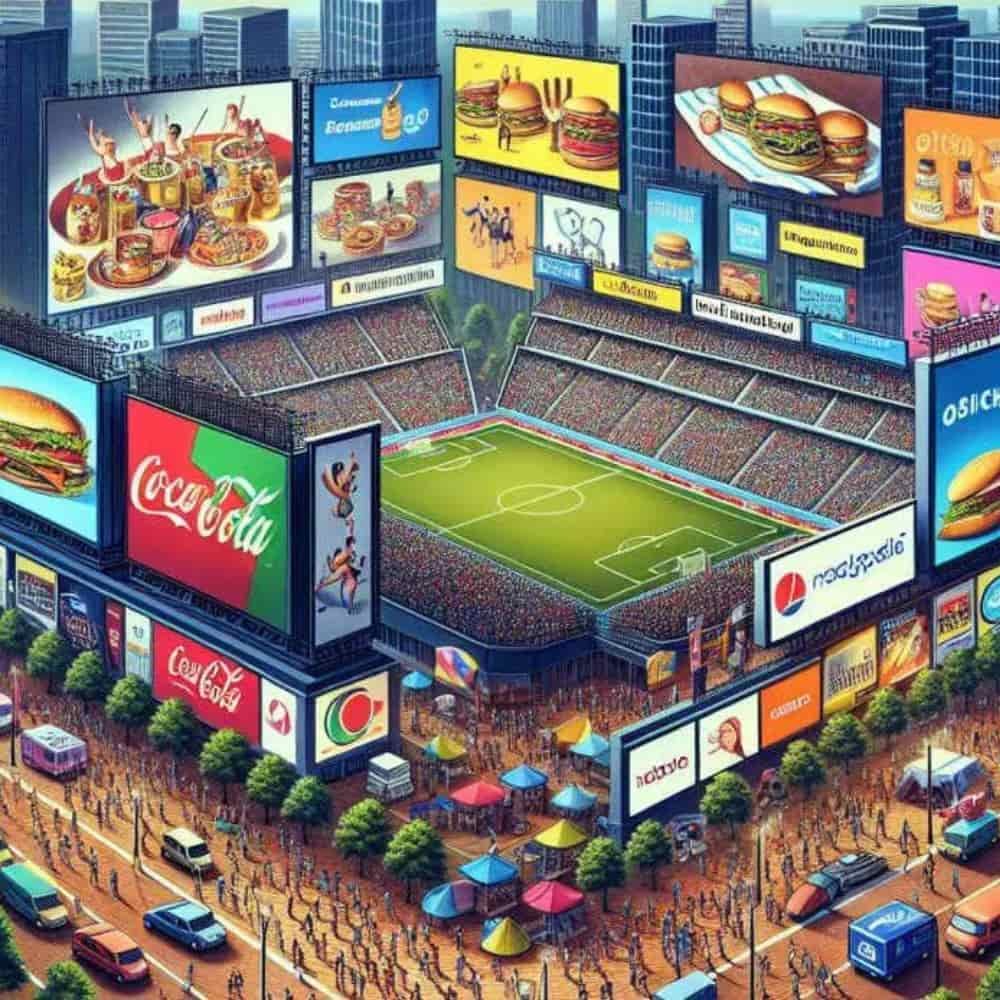
Discover what ambush marketing is, how it works, famous examples, and step-by-step strategies to make it work for your brand—no sponsorships needed! In today’s highly competitive business world, brands always seek creative ways to get attention without breaking the bank. One such strategy that has gained a lot of attention is ambush marketing. While it’s sometimes controversial, there’s no denying that it can be incredibly effective when done right.
Table of Contents
What Is Ambush Marketing?
Ambush marketing is when a company tries to link itself to a big event without actually paying to be an official sponsor. The goal is to take advantage of the event’s visibility and popularity to promote the brand, often by creating a clever campaign that grabs attention. Simply put, it’s like sneaking into the spotlight without buying a ticket. Unofficial Marketing doesn’t mean breaking the law or violating copyrights. Instead, it’s about using innovative and sometimes cheeky ways to get noticed during high-profile events without spending huge sponsorship fees. the nickname for ambush marketing is coat-tail marketing.
Why Does Ambush Marketing Work?
There are several reasons why coat-tail marketing works so well:
Cost-Effective:
Brands don’t have to pay enormous amounts for official sponsorships.
High Visibility:
Major events like the Olympics or World Cup have attracted millions of viewers. coat-tail marketing often grabs attention and spreads quickly because it’s daring, clever, and sometimes stirs up debate.
Competitive Edge:
It allows smaller brands to challenge big-name sponsors without the same budget. Ambush marketing often plays on humour, surprise, or creativity, making it more memorable than traditional ads.
Real-World Ambush Marketing Examples
Here are a few famous examples of Peripheral Marketing in action:
Nike vs Addidas
During the 2012 London Olympics, Adidas was the official sponsor, but Nike ran a clever campaign showing athletes from around the world in different places called ‘London.’ People associated Nike with the Olympics without them being an official sponsor.
Pepsi vs. Coca-Cola
This was the main sponsor of the 1996 Cricket World Cup tournament. But Pepsi rolled out the tagline “Nothing Official About It” – a direct and cheeky message that connected strongly with fans.
Rona vs. Apple (Canada):
When Apple put up a giant iPod Nano ad with colourful paint streaks, Canadian home improvement company Rona placed an ad just below it that said, “We recycle leftover paint.” It was brilliant, subtle, and funny. These campaigns show how powerful Event Leverage Marketing can be when executed creatively.
Types of Ambush Marketing
Guerrilla Marketing can take different forms. Here are the main types:
Direct ambush marketing
This is when a brand creates a campaign to connect with an event without being an official sponsor. Example: Using similar themes or hashtags during events.
Indirect Ambush Marketing
This is subtler. Brands loosely connect symbols, imagery, or language to the event without directly mentioning it.
Incidental Ambush Marketing
When a brand accidentally benefits from an event without planning or promoting it. For example, a player wearing a brand’s shoes during a televised match.
Opportunistic Ambush Marketing
Brands quickly respond to trending events with clever social media posts or ads. These campaigns are often done on the spot and designed to make a strong impression quickly.
How to Use Ambush Marketing Effectively
If you’re considering using coat-tail marketing, here are a few tips to keep in mind:
Be Creative:
Creativity is the heart of coat-tail marketing. Your campaign needs to be clever and original to stand out.
Stay Legal:
Avoid using trademarks, logos, or copyrighted content from the official sponsor or event.
Use Social Media:
Platforms like Instagram, TikTok, and Twitter (X) are perfect for quickly spreading ambush campaigns.
Know Your Audience:
Your content should connect with the audience and reflect your brand voice.
Time It Right:
Timing is everything. Launch your campaign close to or during the event to get the most attention.
How to Implement Ambush Marketing Strategies
Here’s a simple step-by-step guide:
Identify a Target Event.
Choose an event that aligns with your brand or has a vast audience—sports, fashion weeks, award shows, etc.
Research the Event Rules.
Understand what you can and can’t do legally. Avoid anything that could lead to legal trouble.
Brainstorm Ideas:
Gather your team and brainstorm bold, clever campaign ideas that connect to the event without going overboard.
Choose the Right Channels.
Depending on your audience, select where to run your campaign—TV, YouTube, Instagram, billboards, etc.
Launch and Monitor:
Go live at the right time and monitor engagement. If your campaign goes viral, be ready to interact and adapt.
Top 10 Sponsorship Ambushes
Here’s a list of some of the most famous and successful ambush marketing campaigns in history:
- Nike at the 2012 London Olympics
- Pepsi ran a campaign called ‘Nothing Official About It’ during the Cricket World Cup, even though it wasn’t an official sponsor.
- Rona’s Paint Recycling ad under Apple’s iPod banner
- Bavaria Beer at the 2010 FIFA World Cup (Dutch fans wore branded dresses)
- Paddy Power’s “Pants” stunt during the 2012 Euro
- Samsung’s Galaxy campaign during iPhone launches
- Beats by Dre handing out headphones to athletes during the Olympics
- Kulula Airlines during FIFA World Cup 2010 (used soccer imagery with disclaimers)
- JetBlue’s “We’ll pick you up” during taxi strike in NYC
- Amul’s commentary-style billboards during cricket tournaments
These examples show how brands used humour, timing, and thoughtful planning to steal the show from official sponsors.
Final Thoughts
Ambush marketing isn’t about cheating the system—it’s about thinking differently. It helps brands reach massive audiences, build buzz, and even challenge larger competitors without spending millions. Whether a small startup or an established brand, coat-tail marketing can be a powerful tool in your marketing arsenal. Remember to stay creative, respect the rules, and always put your audience first.